
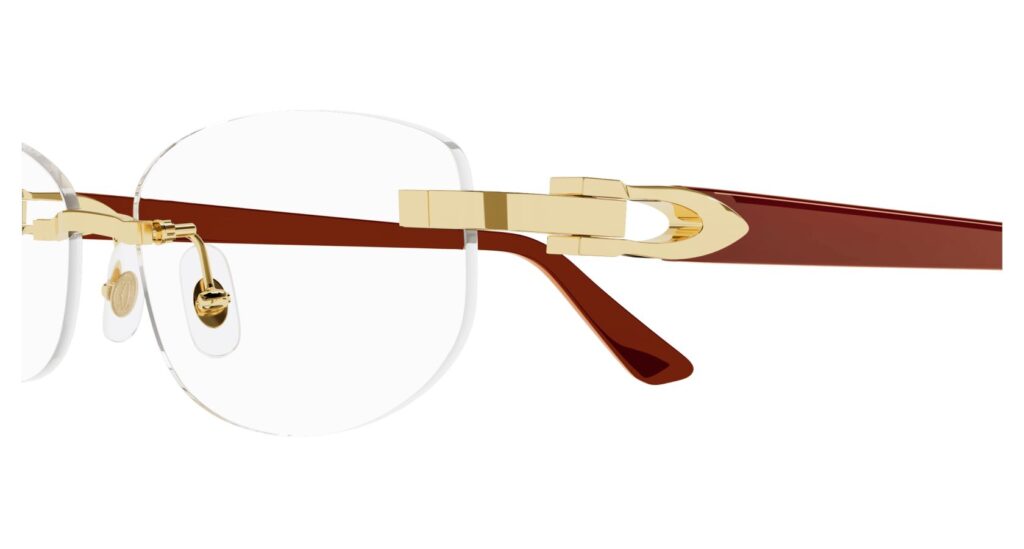
Cartier eyewear represents a distinct tier of optical manufacturing where high-end jewellery techniques intersect with precise mechanical engineering. Whether the frames belong to the iconic C-Decor, Panthère, or Santos de Cartier collections, they use materials and assembly methods that differ significantly from those of mass-produced eyewear.
Because these items often incorporate precious metals and organic materials, the restoration process must prioritize preserving both structural integrity and the original aesthetic finish. With over 42 years of experience in specialized frame restoration, we have observed that Cartier repairs require a technical understanding of the brand’s unique hardware and material limitations.
This guide examines the professional requirements for maintaining the functionality and value of Cartier glasses.
Specialized Care for Precious and Natural Materials
The technical complexity of Cartier frames often stems from the use of 18k solid gold, platinum finishes, and natural materials such as Bubinga wood and genuine Buffalo horn. These materials possess specific properties that dictate the restoration approach. For instance, gold and platinum plating are susceptible to deep scratches and oxidation over time, requiring a manual multi-stage polishing process that removes surface damage without stripping the precious metal layer.
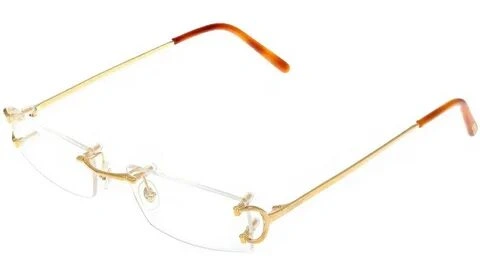
Natural materials such as wood and horn pose a different set of challenges. These organic components can become brittle or “bloom” (develop white oxidation) due to exposure to skin oils and the Canadian climate. Unlike synthetic acetates, wood and horn cannot be adjusted or repaired using standard high-heat tools, which can cause the grain to split or the protein structure (natural composition) to warp. We utilize controlled conditioning and handcrafted stabilization techniques to ensure these materials remain flexible and structurally sound for daily use.
The Engineering and Maintenance of Cartier Hinges
The C-Decor and spring-hinge mechanisms are central to the identity and functionality of Cartier eyewear. These hinges are engineered for a specific “swing” and tension that can be compromised by mechanical fatigue or the accumulation of debris. A common point of failure is the loss of proprietary hardware or the loosening of the delicate rivets that secure the decorative elements to the temples.
Because Cartier uses unique hardware with specific threading, using generic screws or tools, can easily strip the frame’s internal threads. A professional evaluation involves inspecting the hinge assembly under magnification to identify worn bushings or misaligned barrels.
We focus on precision realignment and the use of compatible, high-quality hardware to restore the temples’ original smooth movement. This level of detail is necessary to prevent the frames from sitting unevenly or putting undue pressure on the bridge of the nose.
Technical Risks of Household Adhesives
The application of household adhesives, specifically cyanoacrylate or “super glue,” is one of the most significant obstacles to a successful professional restoration. From a chemical perspective, these glues are highly acidic and can react with Cartier’s gold and platinum plating, leading to permanent surface scarring and discoloration.
Furthermore, glue creates a brittle, insulating layer that prevents professional silver solder or fusion from bonding with the base material.
If a frame has been previously glued, we must perform a meticulous removal process using specialized solvents and manual tools before the actual repair can begin. This extra labour typically results in a specialized removal fee.
To ensure the highest quality outcome, it is technically preferable to leave the break clean and untouched until a technician can assess it. This allows for a stronger, more discreet bond that maintains the frame’s original silhouette.
Precision Soldering and Hand Finishing
Structural failures, such as a snapped metal bridge or a detached pad arm, require high-tensile silver soldering. This artisanal technique uses a specific alloy mixture that provides the necessary strength to withstand daily stress while remaining flexible enough to avoid future snaps.
The goal is to create a joint that is nearly invisible to the naked eye while exceeding the strength of the original factory bond. Once the structural restoration is complete, the frames undergo a rigorous finishing process. This involves hand-filing and multi-stage buffing to ensure all repair points are smooth and the original lustre of the gold or platinum is restored. This manual approach avoids the aggressive machine-buffing found in standard shops, which can round off the sharp, clean edges characteristic of Cartier’s design language.
Accessing Professional Cartier Services in Canada
Given the high value and technical requirements of Cartier eyewear, we operate strictly by appointment at our Victoria Street studio in Toronto. This model ensures that a master technician can dedicate the necessary time to a comprehensive evaluation of the frame’s health, hinges, and material integrity. For clients located outside the Greater Toronto Area, we provide a secure mail-in system that serves all of Canada.
The standard turnaround for these handcrafted repairs is 24 to 72 hours, reflecting the time required for bonds to set and finishes to be perfected. By adhering to these technical standards and utilizing 42 years of expertise, we ensure that Cartier eyewear remains a functional and beautiful investment for its owner.
Frequently Asked Questions (FAQs)
Does professional repair affect the serial number or hallmark on Cartier frames?
Technical restorations are performed with a focus on preserving all original brand markings. We take extreme care during the soldering and polishing phases to ensure that serial numbers, gold hallmarks, and logos remain completely intact, as these are vital for the frame’s authenticity and value.
Can a snapped wood or horn temple be permanently restored?
Yes, provided the material has not been contaminated by glue. We use specialized fusion and reinforcement techniques that stabilize the internal fibres of the wood or horn. This process not only repairs the break but also conditions the material to prevent future brittleness.
Why is an appointment necessary for a Cartier frame assessment?
The high-value nature of Cartier materials requires a focused, uninterrupted technical inspection. An appointment allows our technicians to evaluate hardware tension, plating thickness, and potential stress fractures under magnification, providing a precise and reliable repair plan.
What should I do if the gold plating on my Cartier glasses looks dull?
Loss of lustre is often due to surface oxidation or microscopic scratches. Our multi-stage hand-polishing process is designed to remove this layer and restore the original brilliance of the plating without harsh chemicals that could damage the underlying base metal.
Is it safe to ship high-value Cartier frames through the mail?
Mail-in service is a standard part of our operations for clients across Canada. We recommend using a “double-protection” method: placing the frames in a hard-shell case, wrapping that case in bubble wrap, and utilizing a sturdy shipping box. This ensures the frames are protected from pressure during transit.
Can same-day service be provided for a Cartier hinge repair?
While the majority of handcrafted restorations require a 24 to 72-hour window for quality assurance, same-day service may be feasible for certain hinge or hardware issues. This is determined during the initial technical assessment and is subject to the current workshop capacity.